In this article, we will learn about the NoviFin Loan App. As we know, in today’s digital age, taking out a loan has become quite easy with the help of mobile loan apps, but some fake loan apps are also available in the market. One such app is the NoviFin Loan App. If you are thinking of taking a loan from NoviFin, then this article can be helpful for you, because it is your duty to analyze any loan app before taking a loan from it.
What is Novifin?
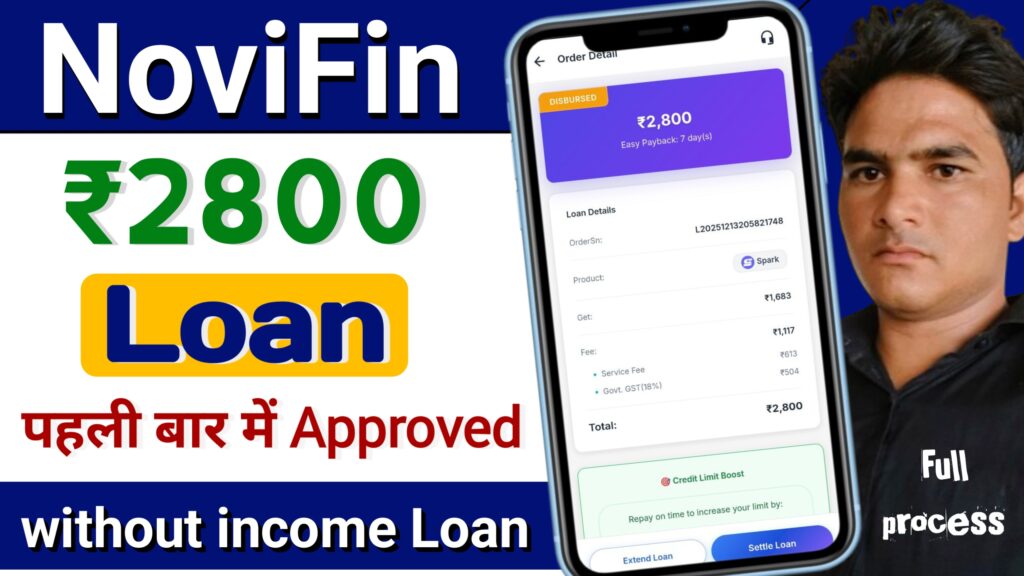
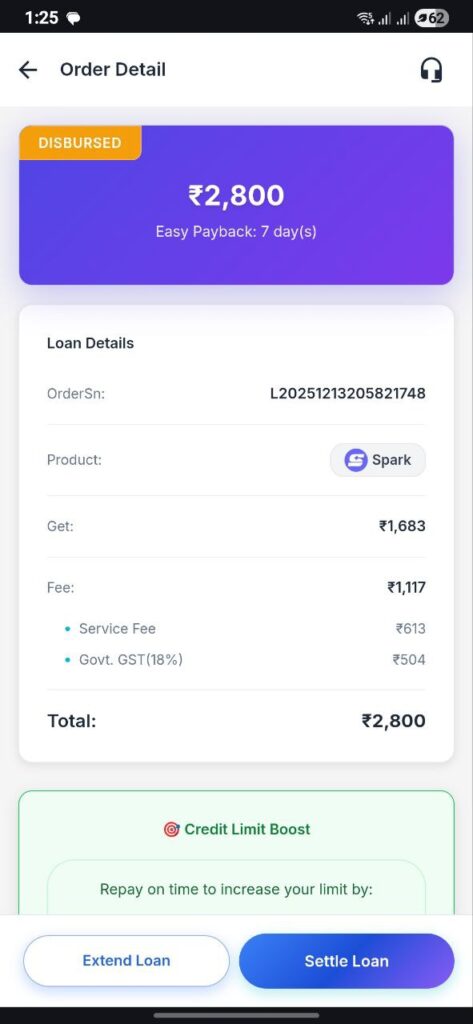
As we know, NoviFin is a loan app that offers loans for a period of 7 days. It claims to provide loans up to ₹100,000 using only a PAN card and Aadhaar card. However, the NoviFin loan app is not registered with the Reserve Bank of India, and based on complaints from some users, we have learned that this loan app only provides a loan of ₹2800 for 7 days. Of this amount, only ₹1683 is credited to your bank account, while you are required to repay ₹3500 after 7 days. Therefore, you can understand that this loan is quite expensive.
NoviFin Loan App Common Complaints
-
High interest rates and hidden fees
The most common complaint is that the total cost of the loan (interest and processing fees) offered by the loan app is significantly higher than the loan amount received.
-
Threatening calls and aggressive recovery tactics
Some users report that NoviFin Loan App makes threatening calls if payment is not made within 7 days, calls numbers from your mobile contact list, and engages in aggressive debt collection practices.
-
Low loan amount and short loan term
NoviFin Loan App initially offers a loan of only ₹2800 for 7 days, of which you receive only ₹1683 in your bank account. You are then required to repay ₹2800 after 7 days. NoviFin Loan App simply traps you in a cycle of high processing fees and interest.
For example:
- Loan amount: ₹2800
- Loan term: 7 days
- Processing fee: ₹613
- GST (18%): ₹504
- Bank disbursement amount: ₹1683
- Total repayment amount: ₹2800
Boost Loan App With Referral Code
Things to keep in mind when taking out a NoviFin loan
- Be mindful of permissions: Be wary of loan apps that request excessive permissions, such as access to your mobile contacts, call history, or photo gallery. This information could be misused.
- Read the fine print carefully: Before accepting a loan offer, carefully review all terms and conditions, interest rates, processing fees, and penalties.
- Verify legitimacy: First, ensure that the loan app is registered with the appropriate financial regulatory body, such as the RBI (Reserve Bank of India) in India. Always take loans from RBI-registered loan apps.
- Transparency and support: Choose loan apps that provide transparent details and offer clear contact information for customer support.
- Compare options: Don’t accept the first offer immediately. Compare interest rates from multiple loan apps to find the best deal for your financial situation.
NoviFin Loan App: Real or Fake?
As we know, the NoviFin Loan App is not registered with the Reserve Bank of India, nor is this loan application available on the Google Play Store. Based on comments and reviews from some users, we understand that this loan app provides a loan of ₹2800 for 7 days without checking your CIBIL score. No RBI-registered loan app does this; no legitimate application provides a loan without checking the CIBIL score. There are several indicators within the NoviFin Loan App that prove this application is fake.
Note: This article is for informational purposes only. Always take loans only from loan apps registered with the RBI.
FAQ
How to download the NoviFin Loan App?
You can download the NoviFin app from their website: https://novi-fin.com/
Is the NoviFin Loan App registered with the RBI?
No, this loan app is not registered with the RBI, nor has the application made any such claim.
Is the NoviFin Loan App safe?
As we have learned in this article, the fact that the NoviFin Loan App is not available on the Google Play Store and is not registered with the RBI could be harmful to you.
What happens if I don’t repay the NoviFin loan?
Failure to repay on time may result in threatening calls, aggressive debt collection tactics, and could be harmful to your personal data.